



Why Jewelry Samples Differ from Mass Production — and How to Control It
A common challenge for jewelry brand founders and sourcing managers is navigating the transition from a signed-off prototype to volume manufacturing: The approved golden sample sent by the factory meets every aesthetic benchmark—crisp contours, comfortable fit, secure stone setting, and an exact gold tone. Yet, when repeat volume batches arrive, brands sometimes encounter unexpected ring size drift, looser stone seats, or subtle color shade variations across matching sets.
In jewelry engineering, this discrepancy occurs because: Handcrafting a single benchmark sample follows a fundamentally different workflow than managing multi-operator volume production.
Prototyping is typically executed by a master bench jeweler with focused bench time. Mass manufacturing, however, introduces cumulative physical variables: production mold wear, multi-tree investment casting thermal shifts, diverse operator finishing pressures, and electroplating bath chemistry fluctuations. Maintaining consistency requires institutional process controls and documented inspection standards rather than relying solely on individual craftsmanship.
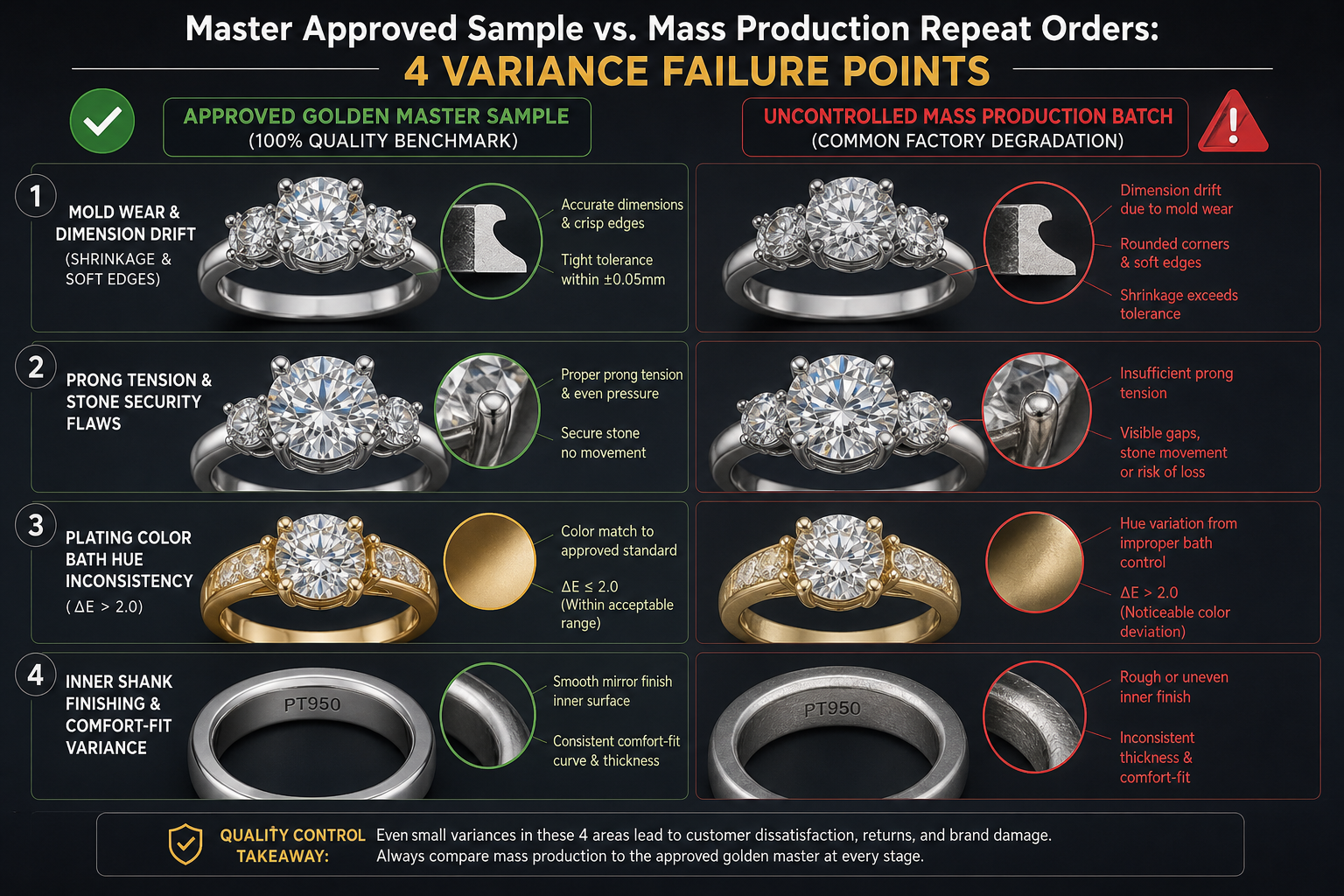
Figure 1: Critical physical transition points where variations can emerge between prototype sign-off and repeat batch manufacturing.
1. Why Jewelry Samples Differ from Mass Production
When producing an initial approval prototype, the process is streamlined for precision. The 3D CAD design (see our technical guide on Production-Ready Jewelry CAD Checks) is typically 3D-printed as an individual wax master, cast as a single piece, and hand-finished with dedicated attention to detail.
When moving into commercial volume production, the manufacturing method shifts into an industrial batch chain:
- The approved master silver pattern is used to vulcanize production rubber or silicone molds;
- Waxes are injected in volume, assembled onto casting trees in clusters, and cast simultaneously in high-capacity flasks;
- Post-casting cleanup and pre-finishing (执磨) is distributed across multiple bench technicians (see Manual Cleanup & Finishing Standards);
- Pieces are rack-mounted and processed in volume electroplating tanks rather than individually monitored experimental baths.
Without structured quality gates at each handoff, natural process tolerances can accumulate and create noticeable discrepancies from the approved benchmark.
2. Four Common Sources of Production Variation
| Area of Variation | Manufacturing Root Cause | Brand & Quality Impact |
|---|---|---|
| 1. Dimensional & Sizing Drift | Progressive rubber mold fatigue and thermal cavity shrinkage compounded by multi-stage investment casting contraction. | Ring sizing shifts slightly smaller over repeat production runs; closure mechanisms fit too tightly or loosely. |
| 2. Surface Contours & Weight Variance | Operator-to-operator filing pressure variance during manual cleanup without calibrated checking fixtures. | Fluctuations in precious metal unit weight (affecting production economics, see Silver Price Variance Management); subtle softening of sharp architectural edges. |
| 3. Stone Setting Security | Variations in gemstone parcel calibration or uneven prong burnishing under accelerated production schedules. | Increased customer return risks due to stones loosening over extended everyday wear. |
| 4. Plating Color Shade Differences | Shifts in electroplating bath ion concentration, temperature, or current density between separate production lots. | Subtle color tone mismatches when customers pair earrings, rings, and necklaces ordered from different production batches. |
3. Five Quality Gates for Repeat-Order Consistency
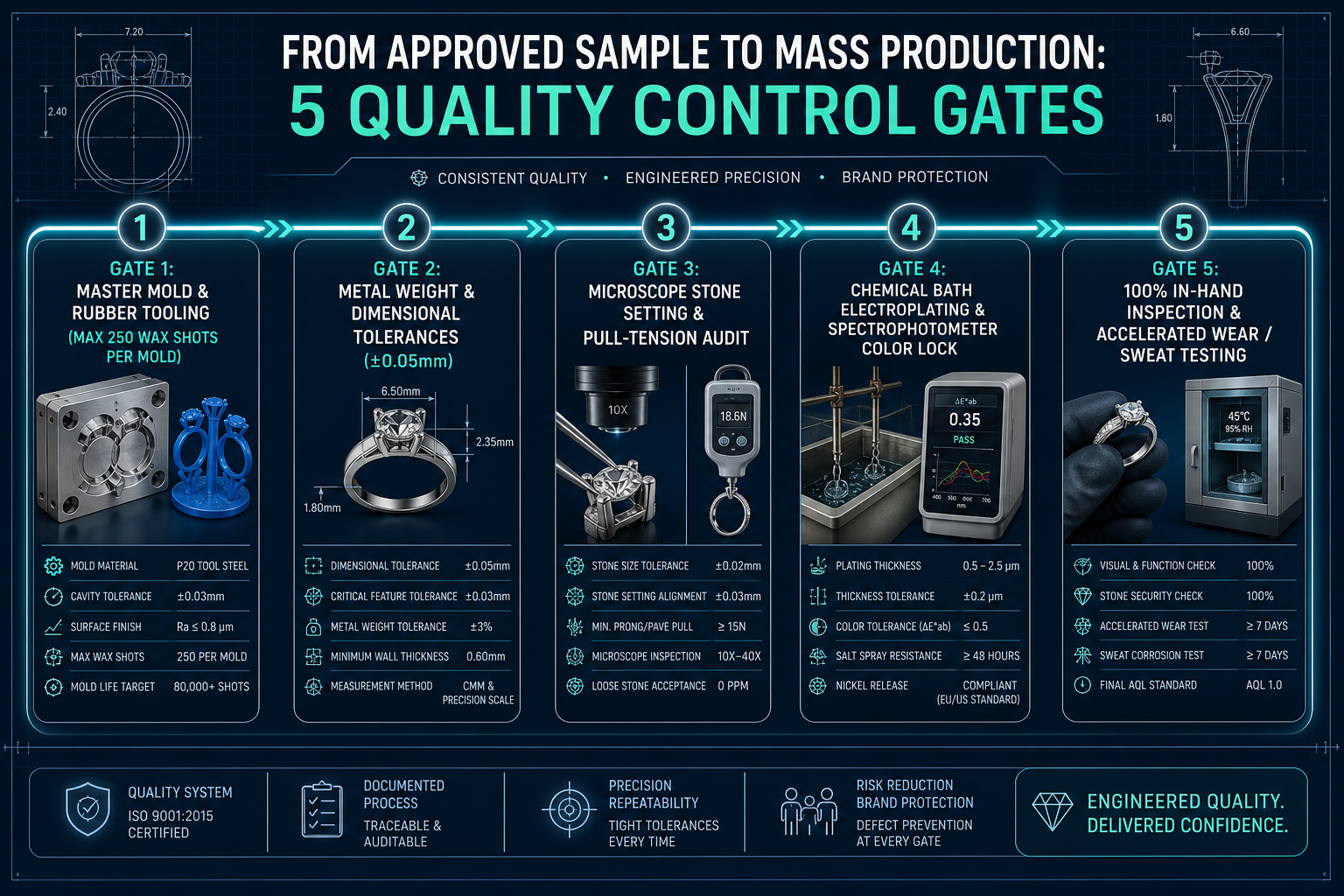
Figure 2: The structured quality gates applied across production stages to safeguard repeat-order alignment.
To keep volume output aligned with approved specifications, quality control must be embedded as systematic checkpoints throughout the production journey:
Gate 1: Master Silver Pattern & Mold Condition Monitoring
The approved Master Silver Pattern (母版) is archived in controlled storage and never used directly for repeat casting. Production rubber molds are tracked for dimensional stability, elasticity, and detail retention. When mold degradation or cavity distortion is detected, molds are retired and fresh tooling is vulcanized from the original master pattern.
Gate 2: First-Article Inspection (FAI) with Defined Dimensional Tolerances
Before mass casting begins, initial test pieces from each active mold undergo first-article verification against the approved reference specifications. Critical functional dimensions (hinge gaps, clasp engagement, stone seat depths) and ring sizes are verified against calibrated gauges and mandrels before tree assembly proceeds.
Gate 3: Optical Inspection & Setting Security Verification
Prong, bezel, and pavé stone settings are examined under magnification to confirm complete metal seat contact and even prong wrap. For applicable stone types and durable designs, vibration and tension checks are conducted to identify and correct any loose seats prior to final surface finishing.
Gate 4: Controlled Plating Parameters & Master Swatch Color Matching
Electroplating operations are governed by controlled bath parameters—including current density, temperature, and monitored precious metal replenishment. Plating lots are visually evaluated under standard D65 daylight viewing conditions against retained master color swatches, with instrument-based color measurement applied where specific color tolerances are established.
Gate 5: 100% Final Inspection with Defined Acceptance Criteria
Finished items undergo 100% cosmetic and functional inspection for surface polish, clasp operation, and edge comfort. In addition, batch sampling protocols can be agreed upon for specific reliability requirements, such as accelerated artificial sweat or environmental exposure testing to verify tarnish-resistance performance.
4. How Mold Lifecycle Management Affects Repeat-Order Consistency
In jewelry volume production, mold tooling is a consumable asset. As natural vulcanized rubber or liquid silicone molds are repeatedly injected with pressurized molten wax (68°C–72°C), the tooling gradually undergoes thermal fatigue, elasticity loss, and subtle cavity shrinkage over time.
When worn molds are kept in service past their reliable working life, fine engravings blur, prong tips lose definition, and overall dimensions shift slightly smaller. Managing consistency requires proactive tool monitoring:
By tracking mold usage cycles and monitoring wax output dimensions against master benchmark criteria, manufacturers can replace worn molds before dimensional drift impacts production lots. Re-cutting tooling directly from the master silver pattern ensures that reorder batches retain the sharp definition and accurate sizing of the initial collection.
5. Managing Electroplating Color Consistency Across Production Lots
Color uniformity is critical for fashion and fine jewelry collections, particularly when customers purchase matching suites (such as ring and pendant sets) across different seasons. In electrodeposition processes, minor variances in bath temperature, immersion duration, or alloy ratios can shift yellow gold from a pale champagne tone to a deeper brassy hue.
In accordance with technical standards (see our guide on Gold Vermeil Plating Thickness & Specifications), color stability is achieved through:
- Documented Process Parameters: Recording and controlling current density, bath agitation, and immersion time for each specific finish (e.g., 14K Champagne Gold, 18K Yellow Gold, Rose Gold, or Rhodium);
- Regular Bath Replenishment: Maintaining stable precious metal ion concentrations to prevent finish degradation over long production runs;
- Dual Physical Reference Swatches: Retaining verified physical color standards at the production facility while providing identical reference swatches to the brand for incoming inspection alignment.
Frequently Asked Questions (FAQ)
Q1: How does AIU manage reference samples for ongoing repeat orders?
For custom manufacturing programs, an approved golden reference sample is retained alongside documented technical specifications. Depending on the product complexity and collection requirements, a dedicated master silver pattern or unplated reference piece can also be archived to verify core casting and finishing dimensions on future production runs.
Q2: What dimensional tolerances are typical between sample and mass production?
Dimensional tolerances depend on the specific material, component function, and manufacturing method. Critical functional areas (such as clasp mechanisms, hinge joints, and calibrated stone seats) follow tighter engineering tolerances, while organic decorative surfaces allow standard jewelry casting tolerances. Sizing specifications and acceptable ranges are established during the initial DFM review.
Q3: How can brands document consistency requirements in their Tech Pack?
We recommend defining key acceptance criteria in your technical pack—including target weight ranges, specified plating micron thickness, approved color swatch references, and functional test criteria (see our Jewelry Tech Pack Checklist).
Protecting Quality Consistency for Your Jewelry Collections
Our engineering team works closely with jewelry brands to align volume manufacturing with approved prototypes through documented process controls, mold lifecycle management, and clear inspection criteria.
Discuss Your Manufacturing Specifications anya907888
